Transaction Authentication Protocols Governing Prize Pool Access in Portable Gaming Platforms
Noah Foster · Oct 9, 2026
Transaction Authentication Protocols Governing Prize Pool Access in Portable Gaming Platforms
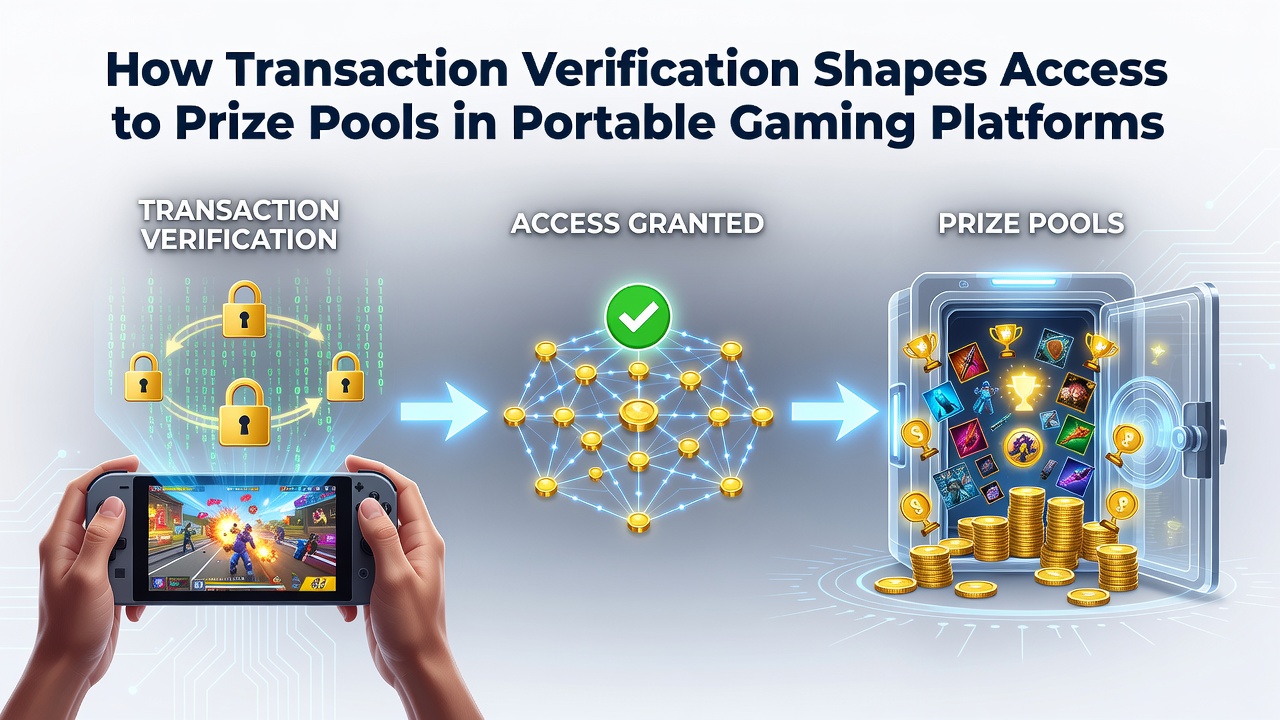
Portable gaming platforms rely on layered transaction authentication to manage who can enter prize pools, and this process starts the moment a player attempts a deposit or withdrawal. Systems verify payment details, confirm account ownership, and cross-check against regulatory databases before any funds reach the pool itself, which means access depends directly on successful clearance at each step. Data from industry reports shows that platforms processing millions of daily micro-transactions must balance speed with compliance, otherwise players encounter blocks that prevent participation even when balances appear sufficient.
Core Components of Verification in Mobile Environments
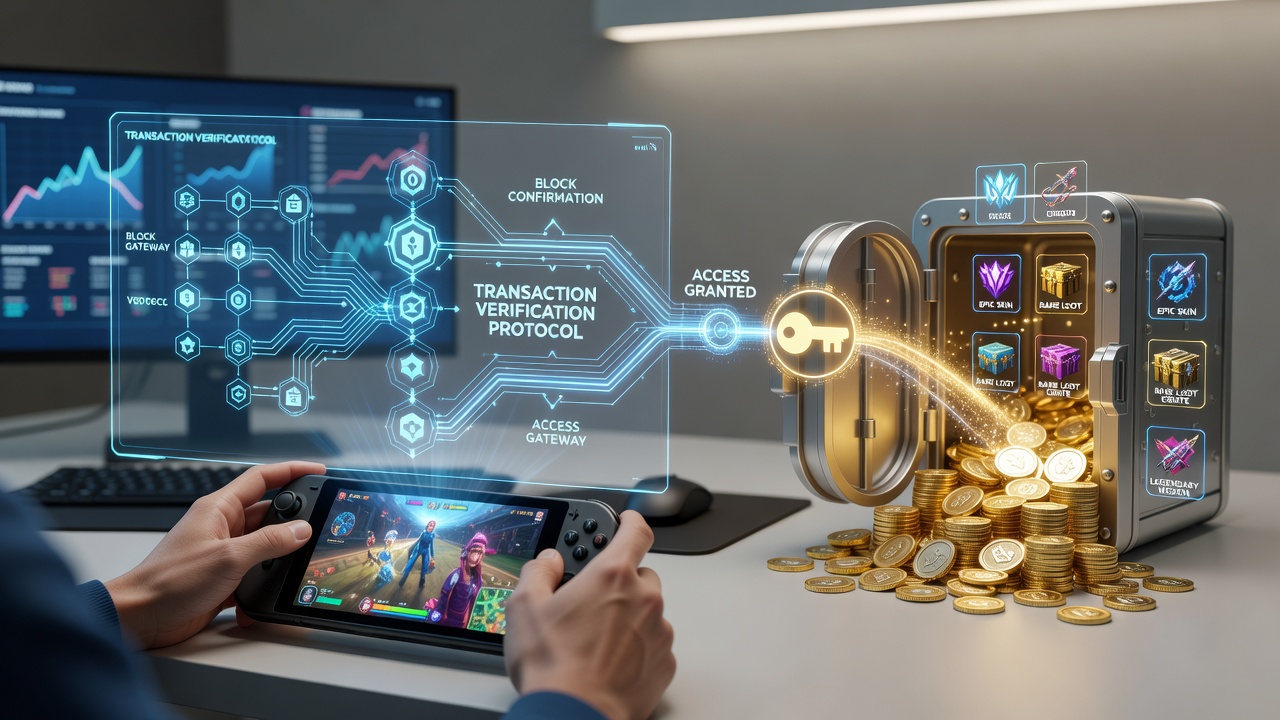
Authentication begins with device fingerprinting and IP analysis, followed by payment method validation through banking partners or digital wallets, and these checks run in sequence so that incomplete results halt progression to the prize pool interface. Researchers at academic institutions have documented how multi-factor requirements, including biometric confirmation on smartphones, reduce unauthorized entries while also creating friction for legitimate users who fail one layer. Observers note that portable systems integrate these protocols into the same app flow that displays jackpot meters, which means a single verification delay can exclude a player from time-sensitive pool contributions.
Regulatory Frameworks Shaping Access Rules
Government agencies across different regions set minimum standards that platforms must follow before releasing prize pool funds, and the New Jersey Division of Gaming Enforcement requires real-time identity matching against state records for all progressive contributions. Similar rules from iGaming Ontario in Canada tie verification completion to eligibility for shared prize structures, creating consistent patterns where incomplete profiles lose access regardless of deposit size. Figures from October 2026 indicate that platforms updated their protocols to align with new cross-border data sharing agreements, which extended verification times but also lowered dispute rates tied to prize claims.
Impact on Player Eligibility and Pool Dynamics
When verification succeeds quickly, players gain immediate entry to accumulating prize pools, yet delays from flagged transactions can remove them from leaderboards or contribution tallies until clearance arrives. Studies from research institutions reveal that platforms using automated wallet confirmations see higher participation rates in mobile prize events compared to those relying on manual reviews, because the former keeps sessions active without forcing logouts. Those who study these systems find that geographic restrictions enforced during verification also limit pool access, since certain payment origins trigger additional scrutiny under anti-money laundering guidelines from bodies like the Australian Transaction Reports and Analysis Centre.
Payment reversals or chargebacks after initial verification can retroactively affect prize eligibility, forcing platforms to recalculate pool shares and exclude the disputed amounts from final distributions. Industry associations tracking mobile gaming metrics report that such adjustments occur more frequently in regions with high use of prepaid cards, where ownership verification proves harder to confirm on portable devices.
Technical Integration Between Verification and Prize Mechanics
Software pathways link transaction status directly to prize pool algorithms, so only cleared deposits increment the shared meters visible in handheld apps. Developers embed these connections so that a failed authentication blocks the contribution call entirely, preventing partial or fraudulent additions from distorting pool values. Data indicates that real-time API handshakes between payment processors and game servers now complete in under two seconds on most networks, which supports continuous play while maintaining compliance checkpoints.
Challenges and Adaptations Observed in 2026
Portable platforms face ongoing pressure to shorten verification windows without weakening security, and updates rolled out by October 2026 introduced tokenized payment references that speed re-authentication for returning users. Yet these same systems still route new accounts through extended checks that can span multiple days when cross-referencing international records. Experts tracking adoption rates note that regions with unified digital ID frameworks experience fewer interruptions to prize pool access than areas requiring separate document uploads for each transaction.
Conclusion
Transaction verification serves as the gatekeeper that determines who participates in portable gaming prize pools, with each protocol layer filtering eligibility based on regulatory, technical, and financial criteria. Platforms continue refining these processes to handle growing mobile volumes, and the outcomes directly influence both individual access and the overall size and fairness of distributed prizes.