Certification of Random Number Generators and Impacts on Progressive Prize Pools in Portable Gaming Systems
Noah Foster · Sep 25, 2026
Certification of Random Number Generators and Impacts on Progressive Prize Pools in Portable Gaming Systems
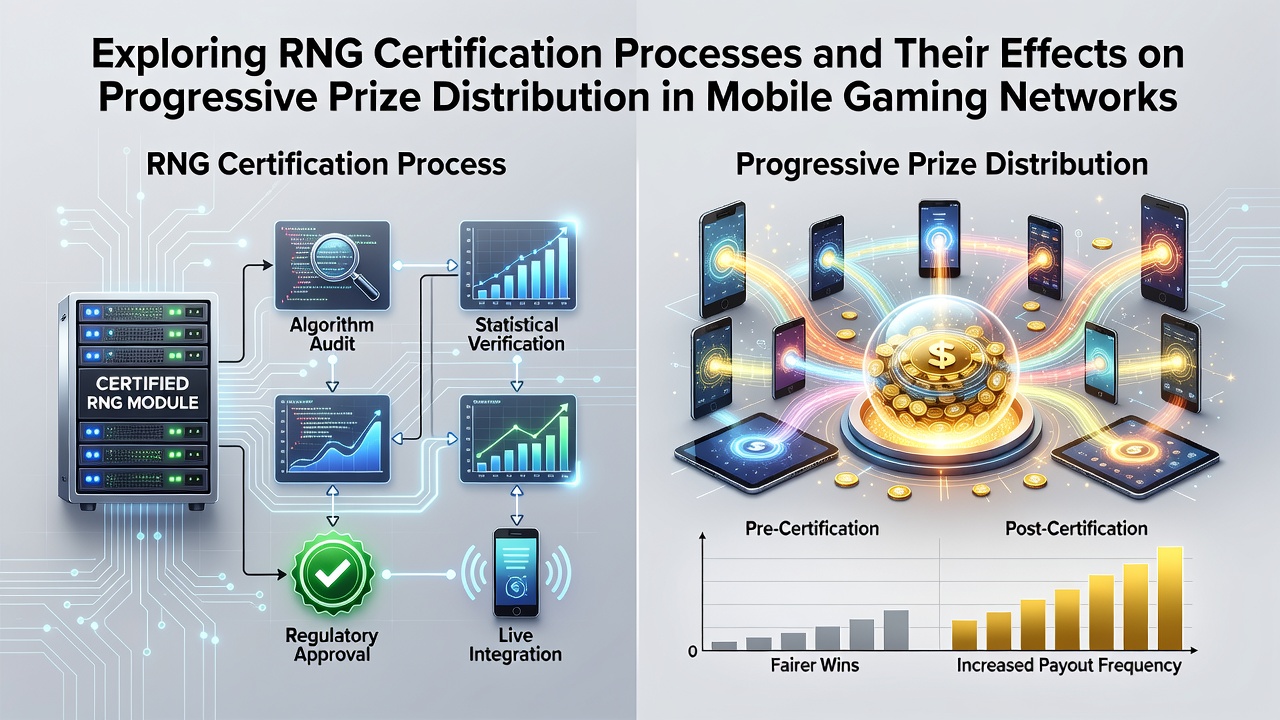
Random number generator certification processes involve independent laboratories evaluating software algorithms to confirm true randomness and compliance with jurisdictional standards before deployment in mobile gaming networks and observers note that these evaluations directly influence how progressive prize pools accumulate and distribute across connected devices since certified RNGs prevent predictable patterns that could otherwise skew jackpot triggers in multi-player environments.
Testing protocols typically include statistical analysis of millions of number sequences along with checks for entropy sources and hardware integration while experts from organizations like Gaming Laboratories International conduct seed value verifications and cycle length assessments to ensure outcomes remain unpredictable even when thousands of mobile users participate simultaneously in shared progressive systems.
Key Elements of RNG Evaluation in Mobile Contexts
Laboratories examine both software-based pseudorandom generators and hardware entropy modules that mobile platforms rely upon and data from certification reports show that approved systems must pass chi-square tests, serial correlation analyses along with poker hand distribution checks before regulators grant operational approval across networks spanning multiple regions.
Certification bodies also review how RNG outputs feed into progressive jackpot logic including contribution percentages from each wager and prize pool increments with figures from industry audits indicating that certified implementations maintain consistent distribution rates regardless of device type or connection speed.
Effects on Prize Distribution Mechanics
Once RNG certification is complete operators can link mobile games into centralized progressive networks where each certified generator contributes to a shared prize pool and studies conducted by regulatory bodies reveal that such verification reduces instances of clustered wins or extended dry spells that might occur with untested algorithms.
In September 2026 several North American jurisdictions updated their mobile gaming guidelines to require real-time RNG monitoring alongside periodic recertification and these changes have prompted developers to integrate continuous logging features that track every random sequence used for jackpot determinations across wireless connections.
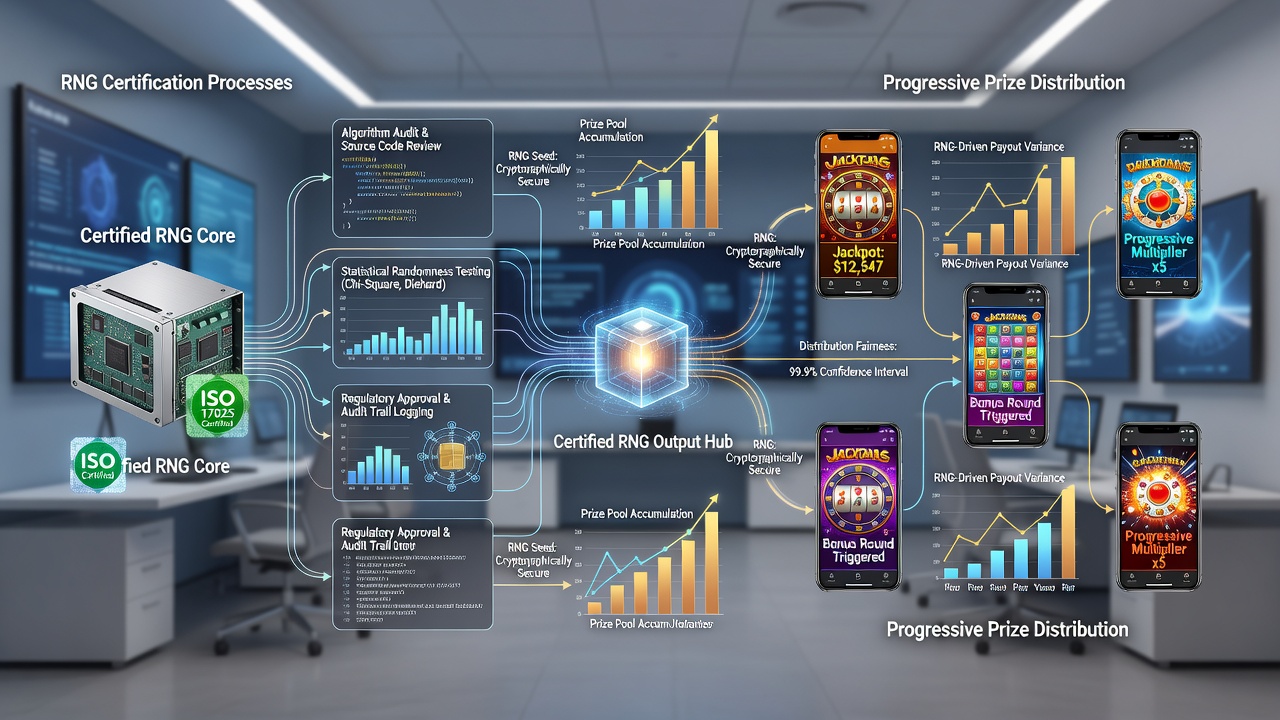
Network architects must ensure that certified RNGs synchronize properly when players from different geographic areas join the same progressive game because any deviation in randomness quality could affect payout frequencies according to reports issued by the New Jersey Division of Gaming Enforcement and similar agencies in other markets.
Regulatory Variations Across Jurisdictions
European testing standards emphasize long-term statistical stability whereas certain Asian regulators focus on hardware security modules that protect RNG seeds during transmission and researchers comparing these approaches have documented variations in how quickly mobile operators receive approval for new progressive titles after initial submission.
Academic papers from institutions examining digital gambling ecosystems highlight that certified RNG frameworks also support audit trails required for tax allocation and player dispute resolution since every jackpot award traces back to a verified random outcome generated within approved parameters.
Technical Integration Challenges
Mobile networks introduce additional variables such as variable latency and device-specific processing that certification labs must account for during evaluation and one documented case involved a provider adjusting its RNG timing mechanisms after initial tests flagged minor biases under high-concurrency conditions common in live progressive events.
Those who manage large-scale mobile gaming platforms often coordinate with multiple certification entities to cover different markets and this multi-jurisdictional process ensures progressive prize distribution remains equitable even when games operate across borders with differing technical requirements.
Conclusion
Certification of random number generators continues to serve as a foundational control for maintaining fairness in progressive prize distribution within mobile gaming networks and ongoing refinements in testing methodologies reflect evolving network architectures as well as regulatory expectations in diverse regions.