Algorithmic Synchronization in iGaming Ecosystems: Free Spins, Live Dealers, and Wallet Transactions
Ben Bennett · Oct 23, 2026
Algorithmic Synchronization in iGaming Ecosystems: Free Spins, Live Dealers, and Wallet Transactions
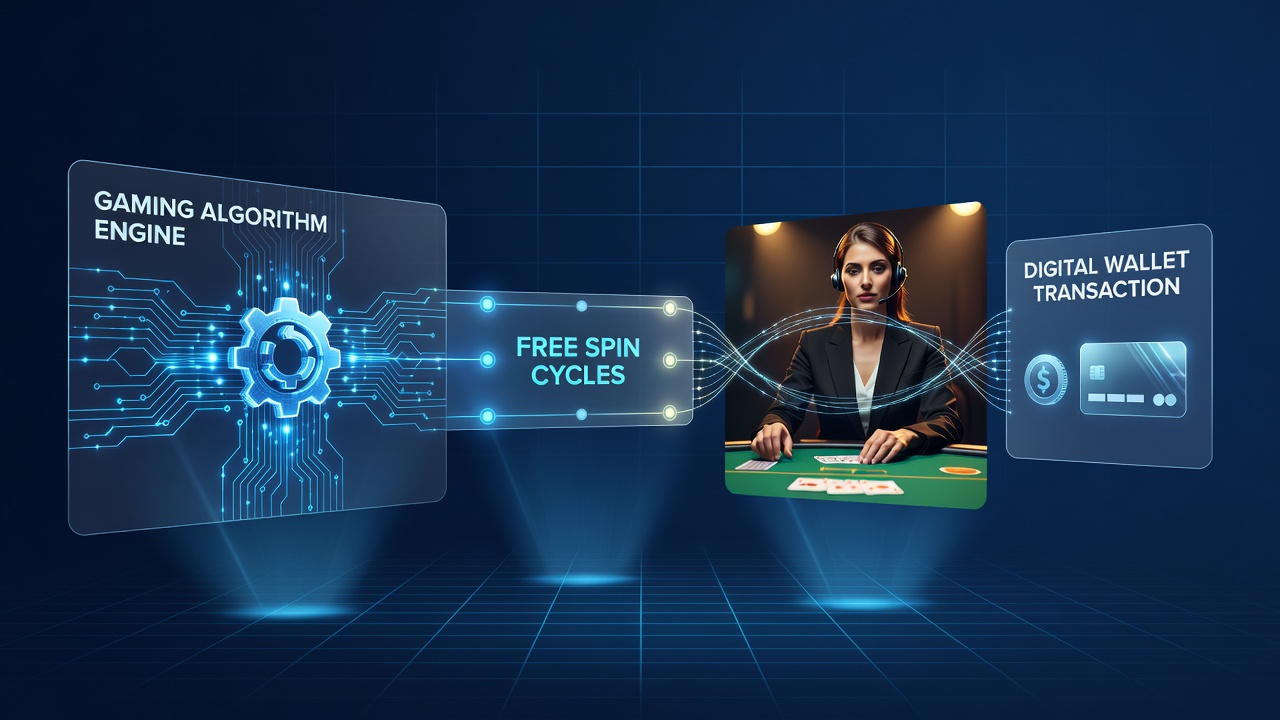
Modern iGaming platforms rely on coordinated software systems to manage free spin cycles alongside live dealer sessions while processing payments through digital wallets, and these connections operate through layered algorithms that handle random number generation, outcome validation, and transaction ledgers in real time. Developers build these frameworks to ensure that bonus activations align with table game results without introducing delays or inconsistencies across user accounts.
Core Components of Synchronization Frameworks
Free spin mechanics draw from certified random number generators that produce sequences independent of live dealer streams, yet integration layers connect the two through application programming interfaces that monitor session states and trigger adjustments when wallet activity occurs. Live dealer outcomes stem from physical card shuffles or wheel spins captured by cameras and processed by optical recognition software, while wallet transactions record each credit movement in encrypted logs that algorithms reference to confirm eligibility for ongoing bonuses. Researchers at institutions studying digital entertainment systems have documented how these elements combine, and data from regulatory filings indicate that platforms must maintain separate RNG streams even as they share metadata for auditing purposes.
Engineers implement event-driven architectures where a free spin completion event prompts a query to the live dealer module, and that module checks wallet balances before releasing combined rewards, and this process runs continuously to support high-volume play sessions. Studies on platform performance show that latency under 200 milliseconds remains standard for such handshakes, particularly when users switch between slot interfaces and table environments on the same account.
Wallet Integration and Data Exchange Protocols
Digital wallet systems contribute secure transaction records that algorithms parse to verify deposit timestamps against bonus activation windows, and these records feed into decision trees that determine whether a live dealer result qualifies for multiplier applications earned through free spins. Platforms developed in regions with mature markets, such as those overseen by the New Jersey Division of Gaming Enforcement, demonstrate standardized protocols for this data exchange, and similar approaches appear in reports from iGaming Ontario that track cross-game interactions. Observers note that smart contract elements in some blockchain-based wallets add immutable timestamps, which further anchor the synchronization logic without altering the randomness of either spin cycles or dealer draws.
Real-Time Outcome Alignment Mechanisms
Algorithms achieve alignment by maintaining session tokens that persist across game types, and these tokens carry flags indicating active free spin counts while live dealer servers update outcome hashes in parallel. When a player initiates a table bet funded by a recent wallet deposit, the system cross-references the token to apply any pending spin-derived modifiers, and this occurs before the dealer reveal completes. Industry reports compiled in October 2026 highlight incremental improvements in these token systems, with several operators reporting reduced reconciliation errors after adopting unified API gateways. One documented case involved a platform that reduced payout disputes by 18 percent following the deployment of a centralized event bus connecting slots, tables, and wallets.
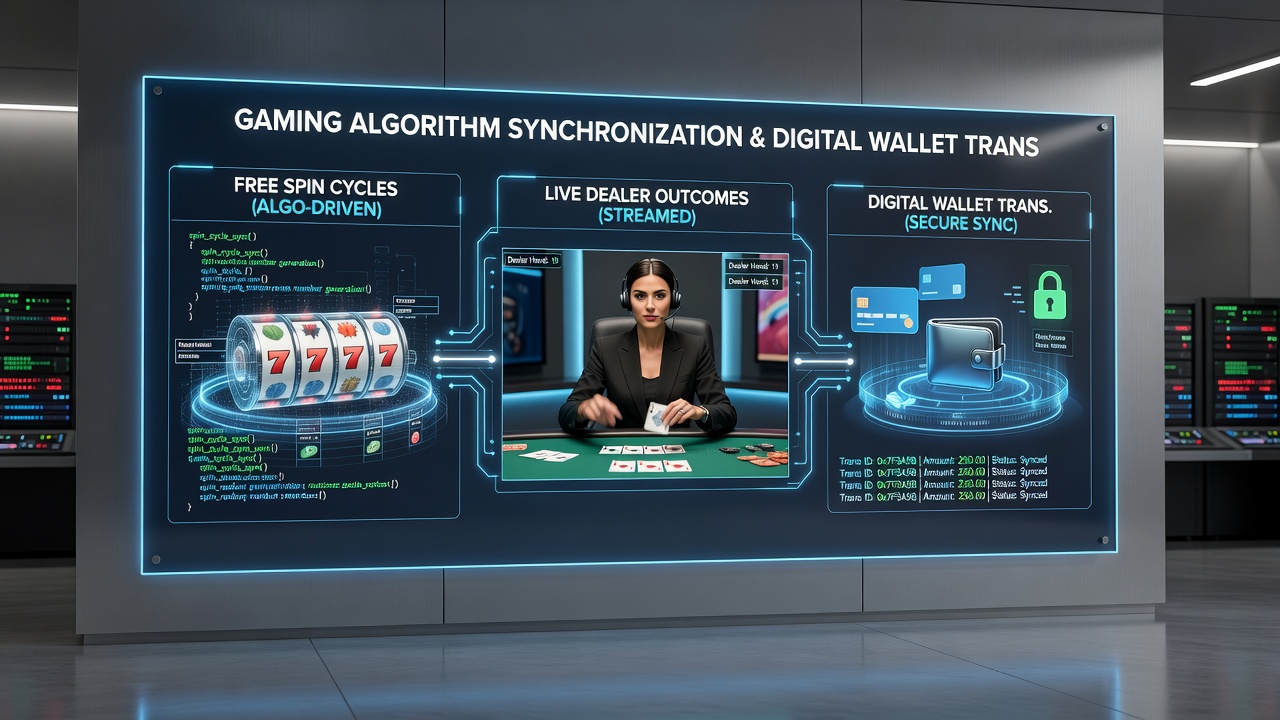
Security layers encrypt the metadata exchanged during these handshakes, and compliance teams audit the logs to confirm that no outcome prediction occurs outside certified RNG boundaries. The Gambling Research Exchange Ontario has published summaries of testing procedures that emphasize separation of concerns, ensuring that free spin cycles retain statistical independence even when linked to live results through wallet triggers.
Challenges in Scalable Implementation
Scaling these synchronized systems across thousands of concurrent users requires distributed computing resources that handle peak loads without dropping transaction confirmations or outcome validations, and operators address this through microservice designs that isolate each functional area. Data from European trade associations indicate that platforms processing over 50,000 transactions per hour maintain sub-second response times when free spin and live dealer pathways intersect at wallet events. Maintenance routines include periodic synchronization checks that replay sample sessions to verify continued accuracy, and these checks often incorporate third-party certification from laboratories approved by multiple jurisdictions.
Updates released around October 2026 introduced enhanced logging standards that capture every cross-module call, allowing faster identification of desynchronization points if they arise during high-traffic periods. Those who maintain such platforms emphasize that robust error-handling routines automatically pause affected sessions rather than risk inconsistent reward distribution.
Conclusion
Algorithmic synchronization between free spin cycles, live dealer outcomes, and digital wallet transactions rests on established software patterns that prioritize separation of randomness sources while enabling necessary data flows for bonus application. Regulatory bodies across North America and Oceania continue to refine testing requirements for these integrated environments, and ongoing technical refinements support reliable performance as player volumes grow. The frameworks described operate within certified boundaries that preserve game integrity across all connected components.